
How to Spot Mold Before It Spreads (Atlanta Homeowner Guide)
Mold in Metro Atlanta can spread from a small spot to whole-house contamination in weeks. Here's how to catch it early.
Why Metro Atlanta homes are vulnerable
Georgia summer humidity regularly exceeds 70% for months. Metro Atlanta homes have crawlspaces, wooded lots, and HVAC systems that create ideal mold conditions. Mold doubles in size every 24-48 hours once conditions are right.
Five earliest warning signs
Musty or earthy smell. Discoloration in grout, caulk, or drywall (not always black - pink, green, orange are all mold). Peeling paint or bubbling wallpaper. New respiratory symptoms that improve outside the house. Condensation on windows or duct registers (humidity above 60%).
Where to look
Bathrooms: shower grout, caulk, exhaust fan, under sink. Kitchens: under sink, behind fridge, dishwasher base. Laundry: behind washer, dryer vent. Basements/crawlspaces: wood framing near ground, insulation, ducts. Attics: near vents, plumbing stacks, any bathroom fan terminating in the attic. HVAC: air handler, evaporator coil, ductwork.
Fast tests you can do
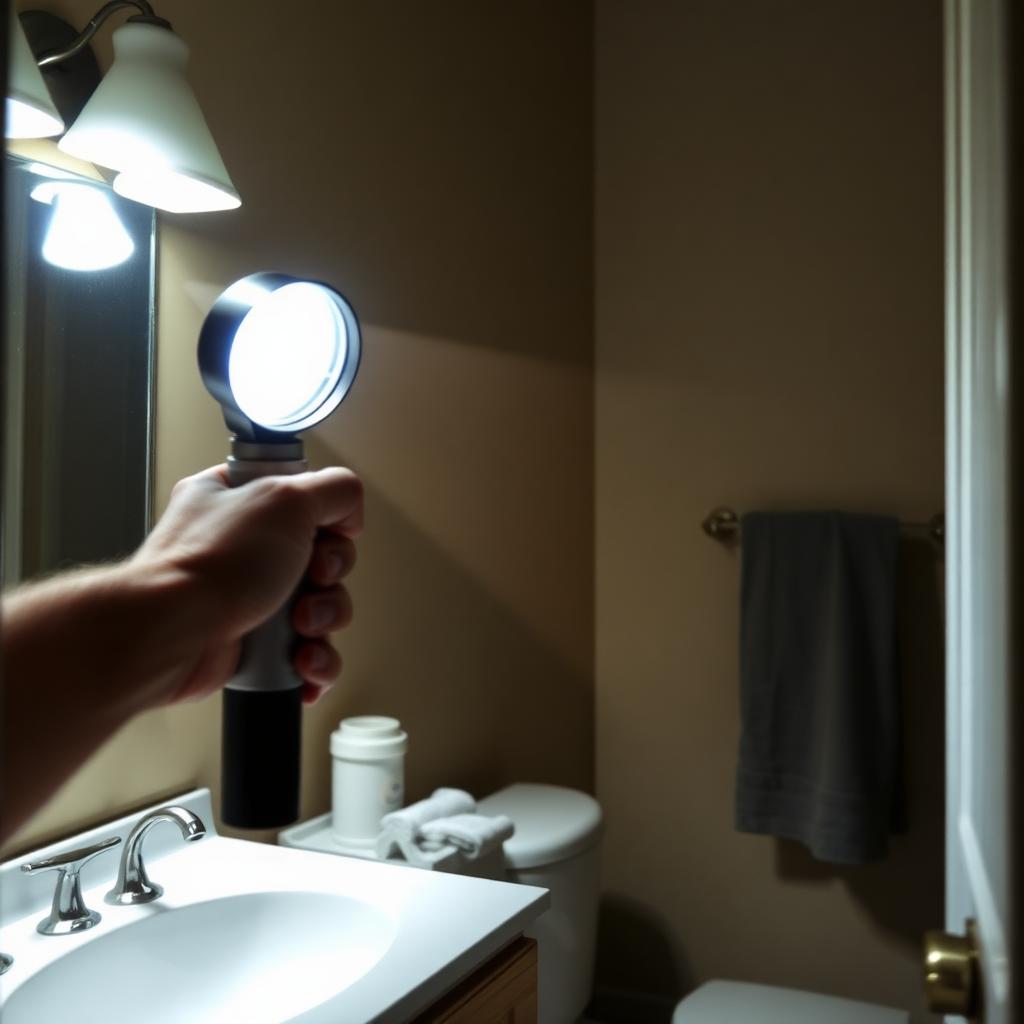
Humidity check with a $10-$20 hygrometer. Bleach test - if discoloration lightens, it may be surface mildew; if not, mold. Flashlight raking - hold parallel to wall for texture the eye misses.
When to call a pro
Mold larger than a dinner plate. Any mold in HVAC. Musty smell you can't locate. Recent water damage. Anyone in the house is immunocompromised or has asthma.